
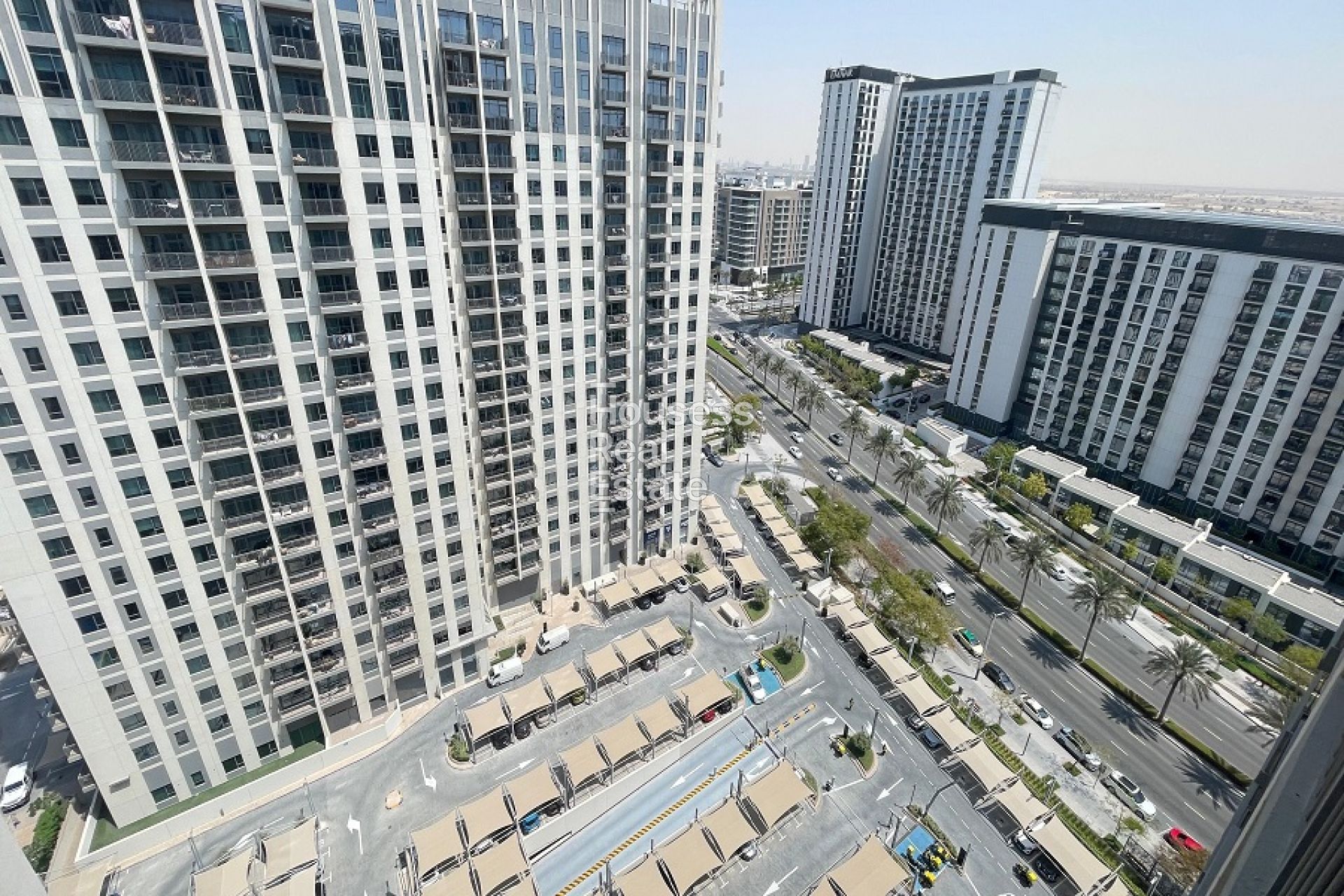
 For Rent
AED 77,999/year
Apartment for Rent in Park Heights 2 Tower 1, Dubai Hills Estate Brand New | Prime Location | Ready to Move in
Park Heights 2 Tower 1, Dubai Hills Estate
Photo: Kate Trysh / Unsplash
Services
Annual lettings for landlords and tenants: valuation, marketing, screening, contract and Ejari, done properly the first time.
The first six blocks are what we do for an owner letting a property. The last two are what we do for someone looking for one.
A rent figure supported by comparable lets in the same building or community, with the reasoning shown, not a number picked to win the instruction.
Photography, a Trakheesi permit for every advert, listings on the major portals and accompanied viewings with feedback after each one.
Identity, residency, employment and rental history checked before an offer reaches you.
Rent, number of cheques, start date and any conditions agreed in writing before the contract is drawn up.
The unified tenancy contract, Ejari registration, the deposit held correctly, and a photographed inventory on the day.
Notice served inside the 90-day window and any increase checked against the RERA rental index. Or, if you would rather not deal with the tenancy at all, full property management.
Find out moreA shortlist built from what you actually need, accompanied viewings, and an honest read on the building, the landlord and the service charges.
Find out moreThe offer, the contract, Ejari, DEWA connection and the move-in permit, explained before you sign and handled after.
Find out moreThe mechanics are the same in every community, and getting them right at the start avoids most of the arguments at the end.
A letting fee is charged once, when the tenant signs, and is agreed in writing before marketing starts. If you would rather not deal with the tenancy after that, full management carries on from the same contract with no second onboarding.
Every advert we place carries a Trakheesi permit, which the Real Estate Regulatory Agency requires for any property advertised in Dubai. A listing without one can be removed by the portal and fined, and it is a fair test of any agent you are considering.
As is standard in Dubai, the tenant pays an agency commission when the contract is signed. The market convention is 5% of the annual rent, and the exact amount is confirmed in writing before you make an offer. To move quickly when the right unit appears, have a passport copy, visa or entry stamp, Emirates ID and a chequebook ready; landlords in the more sought-after buildings rarely hold a unit while paperwork is arranged.
The tenants guide walks through the process step by step, from budgeting the cheques to the snagging list in the first week.
We inspect the unit and recommend a rent supported by comparable lets, with the reasoning.
Photography, floor plan and a Trakheesi permit, so the listing is live and compliant on day one.
Listings on the major portals, accompanied viewings, and feedback after each one.
Applicants are screened, and rent, cheques, start date and conditions are agreed in writing.
Unified tenancy contract, Ejari, deposit, cheques and a photographed inventory at handover.
Notice served on time and the rent checked against the index, or the unit re-marketed before the tenant leaves.
One to four is the norm. A single cheque usually earns a lower rent; four cheques suits tenants paid monthly and widens the pool of applicants. We advise on the balance for your unit and community.
By convention around 5% of the annual rent for an unfurnished property and 10% for a furnished one. It is held for the length of the tenancy and refunded less the documented cost of any damage beyond normal wear.
In practice the tenant pays the registration fee, which is a fixed amount of under AED 250, and either party or the agent can complete the registration online. The contract should say who does it.
Only within the RERA rental index, and only with at least 90 days' written notice before the contract expires. If the current rent is within 10% of the market average for similar units, no increase is allowed at all.
The contract sets the notice for non-renewal, commonly 60 to 90 days. Leaving before the end of the term is a breach unless the contract has an early termination clause, which usually carries a penalty of one to two months' rent.
A permit issued by the Real Estate Regulatory Agency for each property advert. Every listing in Dubai must carry one, and the permit number appears on the advert. It confirms the agent is licensed and has the owner's authority to market the property.
Not without the landlord's written consent. Short-stay letting also needs a holiday home permit from the Department of Economy and Tourism, which is granted to a tenant only with the landlord's no-objection letter.
A passport copy, a visa or entry stamp, Emirates ID, and post-dated cheques for the rent and the deposit. Companies renting for staff also provide a trade licence and an authorised signatory letter.
For Rent
AED 77,999/year
Park Heights 2 Tower 1, Dubai Hills Estate
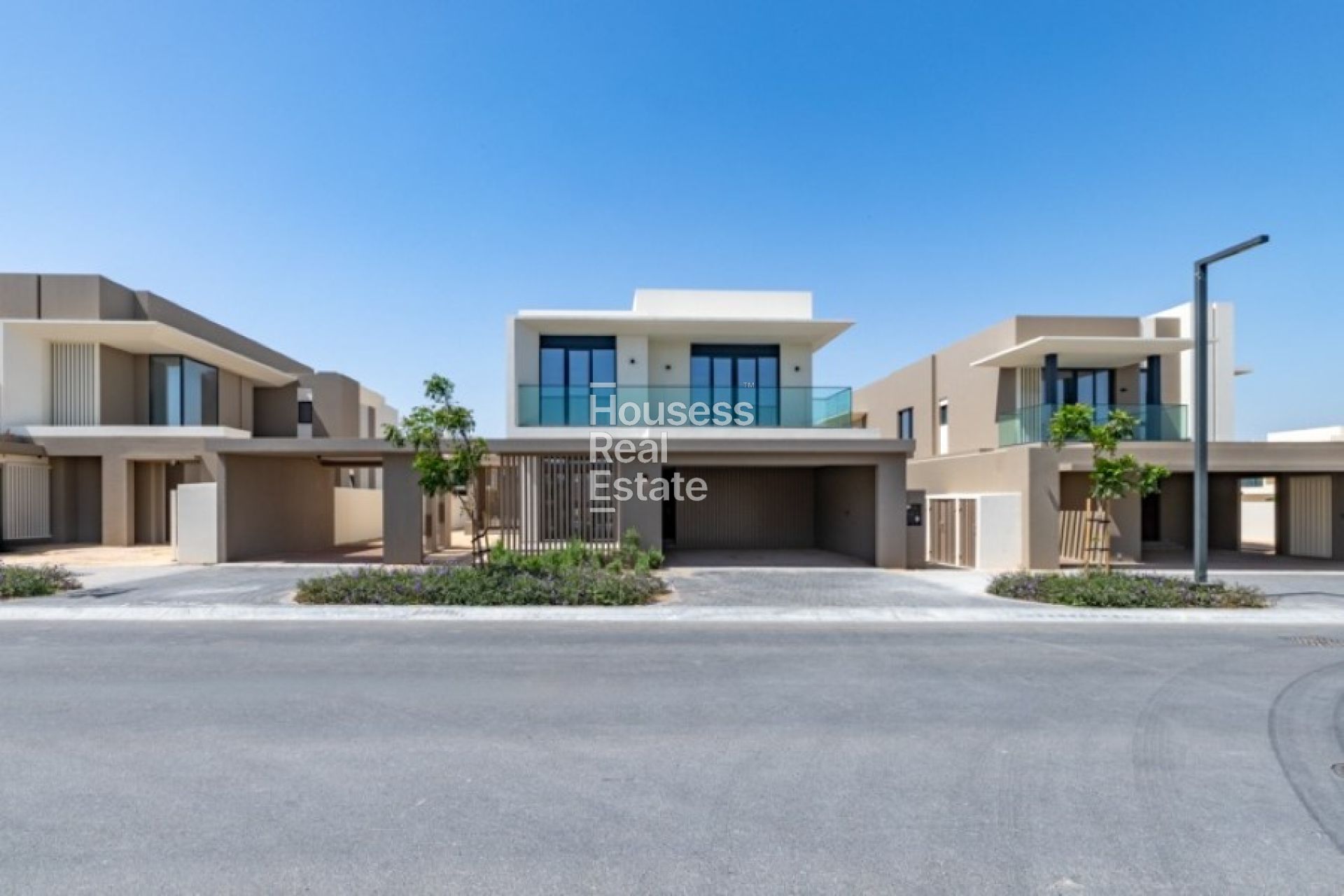 For Rent
AED 450,000/year
Jebel Ali Village Townhouses, Jebel Ali
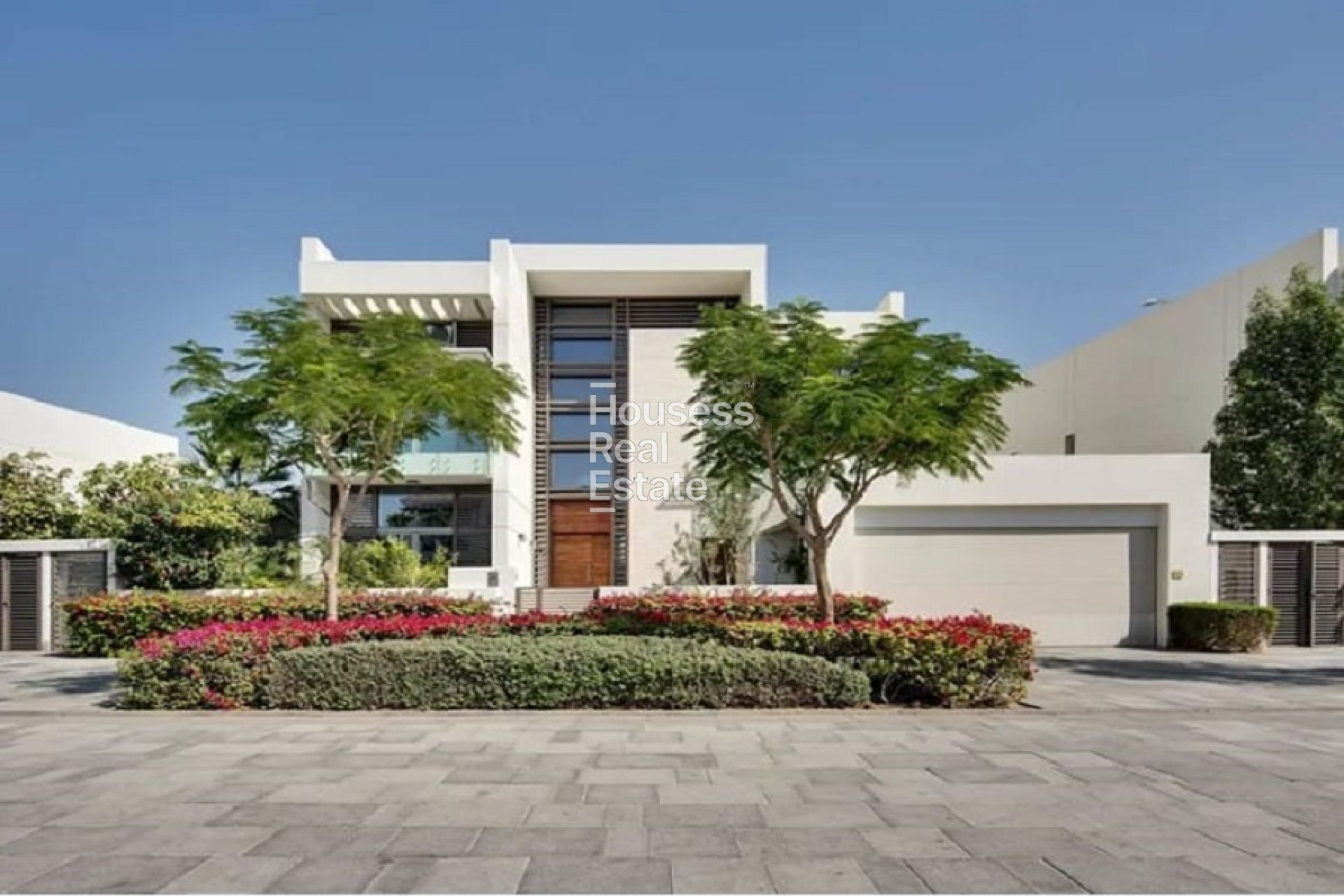 For Rent
AED 850,000/year
District One Villas, Mohammed Bin Rashid City
Landlords: tell us the building and unit and we will value it. Tenants: tell us the budget, area and move-in date and we will send you a shortlist.
A valuation with the reasoning, a permit on every advert, and a contract that is right the first time.